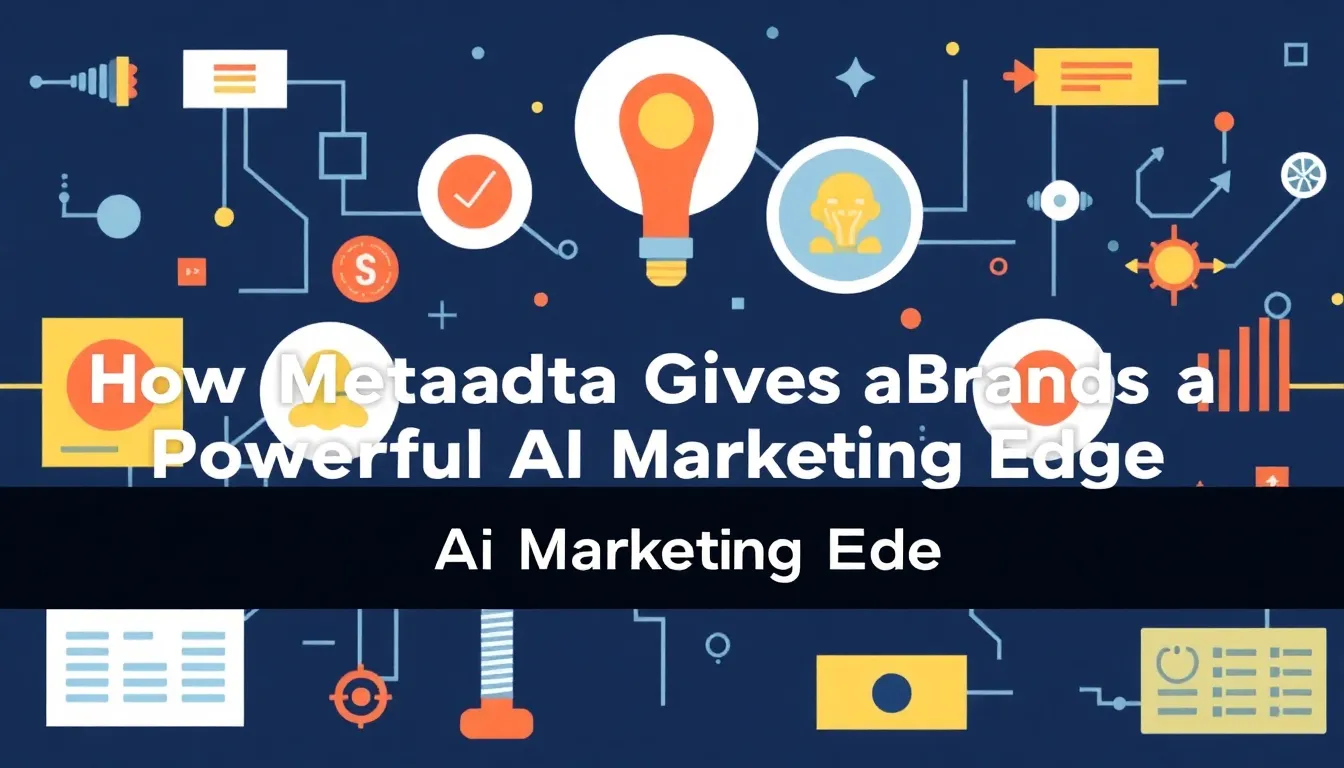
How Metadata Gives Brands a Powerful AI Marketing Edge
Why Metadata Is the Secret Engine Behind AI Marketing
In the world of digital marketing, creative campaigns often steal the spotlight, but it is metadata that quietly powers the most effective AI-driven strategies. Metadata encompasses everything from schema markup and product feed attributes to image descriptors, tagging systems, and content taxonomies. While its value in traditional search engine optimization has long been recognized, its role has expanded dramatically with the rise of artificial intelligence. Today, metadata determines how your brand is discovered, understood, and delivered across AI search engines, recommendation systems, and personalization platforms. Businesses investing in AI Tools Integration are quickly learning that clean, structured metadata is non-negotiable. Without it, even the most sophisticated AI systems struggle to accurately interpret and surface content. Platforms powered by large language models rely heavily on machine-readable, structured signals to reduce ambiguity and improve the relevance of their responses. In short, metadata has graduated from a behind-the-scenes technical task to a front-line marketing asset. Brands that treat metadata as a strategic priority are gaining measurable advantages in visibility, engagement, and customer experience — while those who ignore it risk becoming increasingly invisible in an AI-first digital landscape.
Real-World Examples of Metadata Powering AI Experiences
Across industries, forward-thinking companies are already harnessing metadata to fuel intelligent, personalized experiences. Photo services like Shutterfly and Mixbook are a compelling example — they use AI alongside rich metadata such as timestamps, location data, and device information to help users automatically organize memories, generate captions, and build meaningful photo stories. What was once a chaotic digital library becomes a curated narrative, thanks to AI Image Generator capabilities combined with structured metadata signals. Pinterest takes a similar approach with its product pins, using detailed metadata including titles, descriptions, prices, and categories to determine how and when products appear in front of shoppers. Adobe’s Experience Manager platform goes further, applying AI-powered smart tagging to automatically assign relevant keywords and descriptors to images, videos, and documents — making it far easier for teams to find, manage, and reuse assets efficiently. These examples highlight a consistent pattern: metadata gives AI the structured input it needs to perform something genuinely useful. Whether it is improving content discoverability, enabling smarter product recommendations, or supporting tools like Auto Backlinks Builder to strengthen domain authority, metadata sits at the core of every meaningful AI-powered marketing outcome.
How to Build a Metadata Strategy That Supports AI Search
As AI continues to reshape how people discover information online, brands need a proactive metadata strategy to stay competitive. The first step is conducting a thorough audit of existing content assets to identify gaps in tagging, descriptions, schema markup, and categorization. Consistent and detailed metadata ensures that AI search engines, answer engines, and recommendation platforms can accurately interpret what your content is about and when it should appear. Investing in AI Tools Integration across your content management and digital asset management systems allows metadata to be applied more efficiently and at scale. Tools that incorporate an AI Image Generator can automatically produce descriptive alt text and visual tags, saving time while improving content accessibility and searchability. Structured data markup, such as JSON-LD schema, remains one of the most powerful signals you can provide to AI-driven search systems. Pairing this with an Auto Backlinks Builder strategy can further strengthen your content’s credibility and topical authority in the eyes of AI models. Ultimately, the brands that treat metadata as a living, evolving layer of their content ecosystem — rather than a one-time technical exercise — will be best positioned to thrive as AI continues to dominate search, personalization, and digital commerce well into the future.
Source: The AI marketing advantage hiding in your metadata | MarTech