
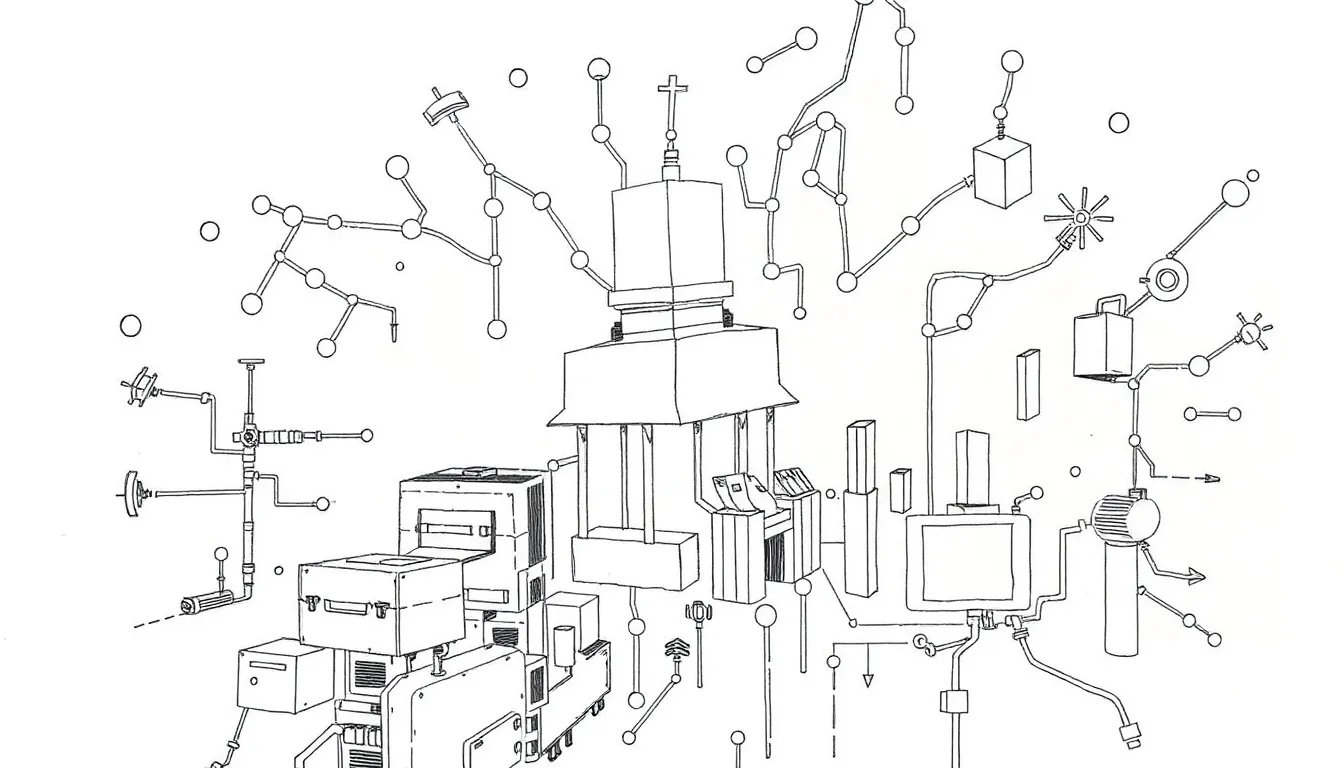
Why Martech Stacks Keep Growing More Complex in 2025
Fewer Replacements, More Tools: The Martech Paradox
A striking contradiction has emerged from the 2025 MarTech Replacement Survey: organizations are swapping out core platforms less frequently than at any time in the past three years, yet their overall technology stacks continue to grow larger. In 2025, approximately 60% of respondents reported replacing a marketing technology application in the prior year, compared to nearly 70% back in 2022. Replacements of CRM systems, marketing automation platforms, and email tools all dropped to historic lows. On the surface, this might suggest that businesses are finally stabilizing their technology environments. However, a closer look at the data tells a very different story. Among those who did replace a platform, nearly two-thirds reported that their total number of applications actually increased over the same period. More than 20% added three to five new tools, and a smaller group added six or more. Only about one in five saw their stack shrink. This disconnect between replacement slowdown and stack growth represents the central challenge facing marketing and technology leaders today. Rather than simplifying their environments, organizations appear to be layering new solutions on top of existing ones, creating ecosystems that are increasingly difficult to manage and optimize effectively.
The Hidden Costs of Stack Accumulation
The pattern driving martech stack growth is best described as layering rather than swapping. Historically, businesses followed a straightforward replacement model: remove one platform, install another. Today, core systems like CRM and marketing automation tend to stay in place while specialized point solutions are added around them. This happens because replacing a major platform carries significant costs including data migration, staff retraining, workflow redesign, and extensive integration work. Adding a lightweight SEO analytics tool or a project management application, by contrast, is relatively quick and low-risk. The categories seeing the most activity, including SEO tools, analytics platforms, and project management software, are also where point solutions are multiplying fastest, making it easy to keep adding without removing anything. The challenge is that accumulation does not scale efficiently. Every additional tool introduces new integration requirements, potential data silos, and increased operational complexity. Survey respondents clearly recognize the problem, with integration capability and data centralization ranking among the top criteria when evaluating replacement platforms. Yet recognition alone has not slowed the pace of addition. Businesses leveraging AI Tools Integration strategies are particularly susceptible, as the rapid expansion of AI-powered solutions tempts teams to adopt new capabilities without retiring older ones, further compounding the complexity challenge.
Managing Complexity in a Composable Martech Era
The growing complexity of martech stacks is not simply an inconvenience — it represents a compounding operational risk. As organizations hesitate to migrate away from core platforms due to cost concerns or uncertainty around emerging technologies, they increasingly patch capability gaps with additional tools. Over time, this creates environments that are harder to govern, more expensive to maintain, and more vulnerable to security and compliance risks. The rise of composable architectures, including headless platforms and API-first tools, offers one potential path forward. These approaches promise greater flexibility and easier integration, but they also require disciplined governance to prevent further sprawl. Businesses that invest in an AI Content Aggregator framework can better centralize data streams from multiple tools, reducing duplication and improving visibility across their stack. Similarly, organizations exploring Auto Backlinks Builder solutions and other automated marketing utilities must build clear evaluation criteria before adding new tools, ensuring each addition solves a genuine problem rather than simply responding to feature excitement. Ultimately, managing a modern martech stack requires more than selecting the right individual tools. It demands an architectural mindset — one that treats integration, data flow, and long-term maintainability as primary considerations rather than afterthoughts. Teams that adopt this discipline will be better positioned to extract real value from their technology investments in the years ahead.